
Can You Carry Groceries on a Commuter E-Bike?
Yes, usually — but only up to a point. A commuter e-bike can handle ordinary grocery runs well when the load is stable, the bike has the right bag setup, and you are honest about how often you will haul bulky or awkward stuff.
Quick take
- A rear rack plus good panniers is usually enough for normal weeknight grocery runs.
- A basket or crate can be useful for small loose items, but bags that keep weight low and secure are usually easier to live with.
- If you are regularly hauling a full family grocery load, heavy drinks, or kids plus bags, you are already drifting toward cargo-bike or trailer territory.
Two panniers, a few lighter bags, and routine errands on a commuter route you already ride.
They assume any rack can handle any load, then discover the bike feels twitchy, heel clearance is bad, or the bags sag into the wheel.
You grocery-shop by bike often enough that a stable rack, better bags, and easier loading will change how often you actually do it.
The first question is not whether groceries are possible. They usually are. The real question is whether your bike setup makes the trip feel routine or annoying. A commuter e-bike that already has a useful rack, decent heel clearance, and a calm ride can handle a surprising amount. A stripped-down bike with no luggage plan turns the same errand into backpack overload.
What works well on a commuter e-bike
- Panniers first: They keep weight lower than a backpack, protect your back from sweat, and usually make the bike feel more balanced than hanging random bags from the bars.
- Rack-mounted trunk bag for light runs: Good for a quick stop on the way home, not ideal for the kind of load that bulges and shifts.
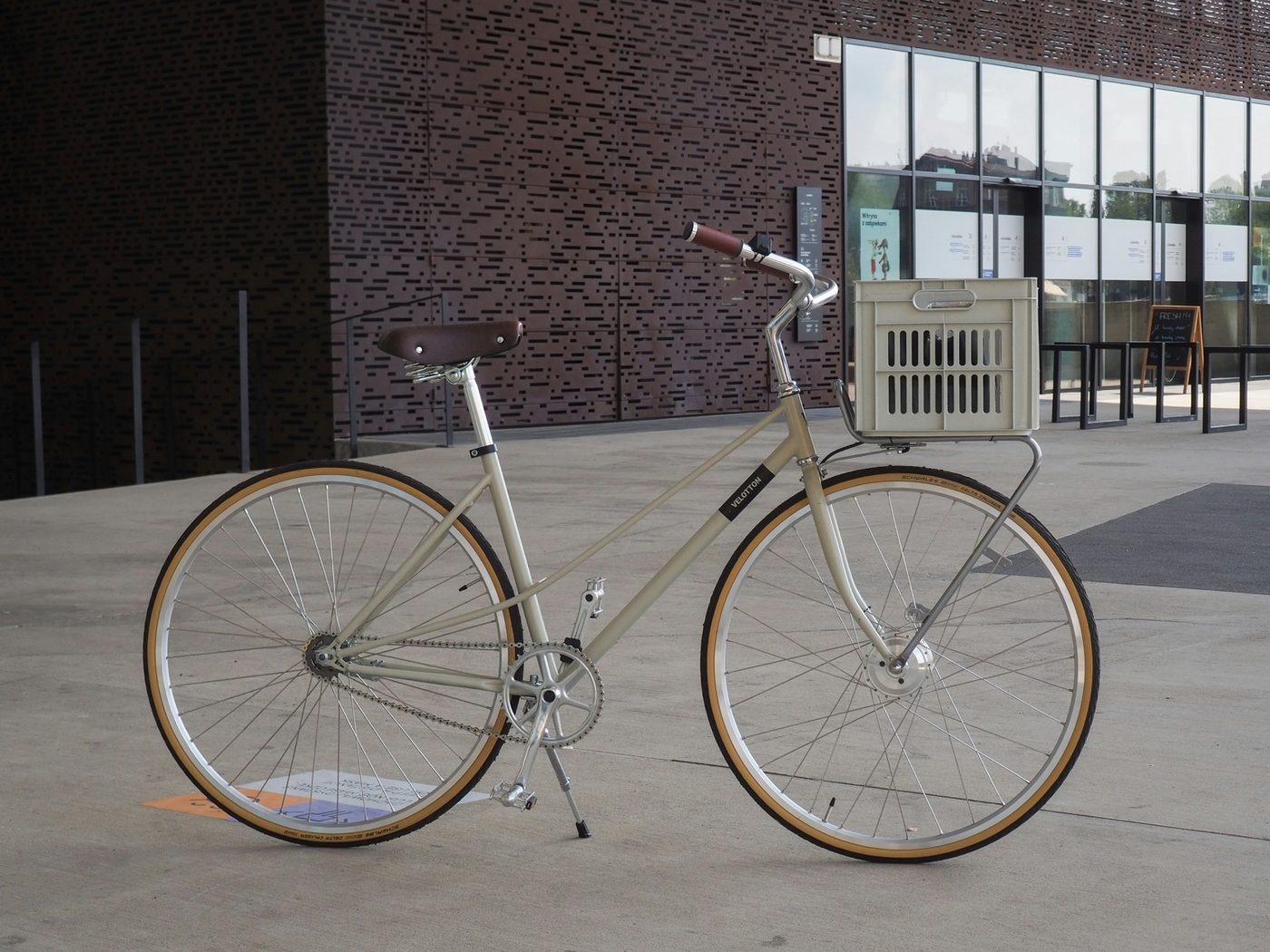
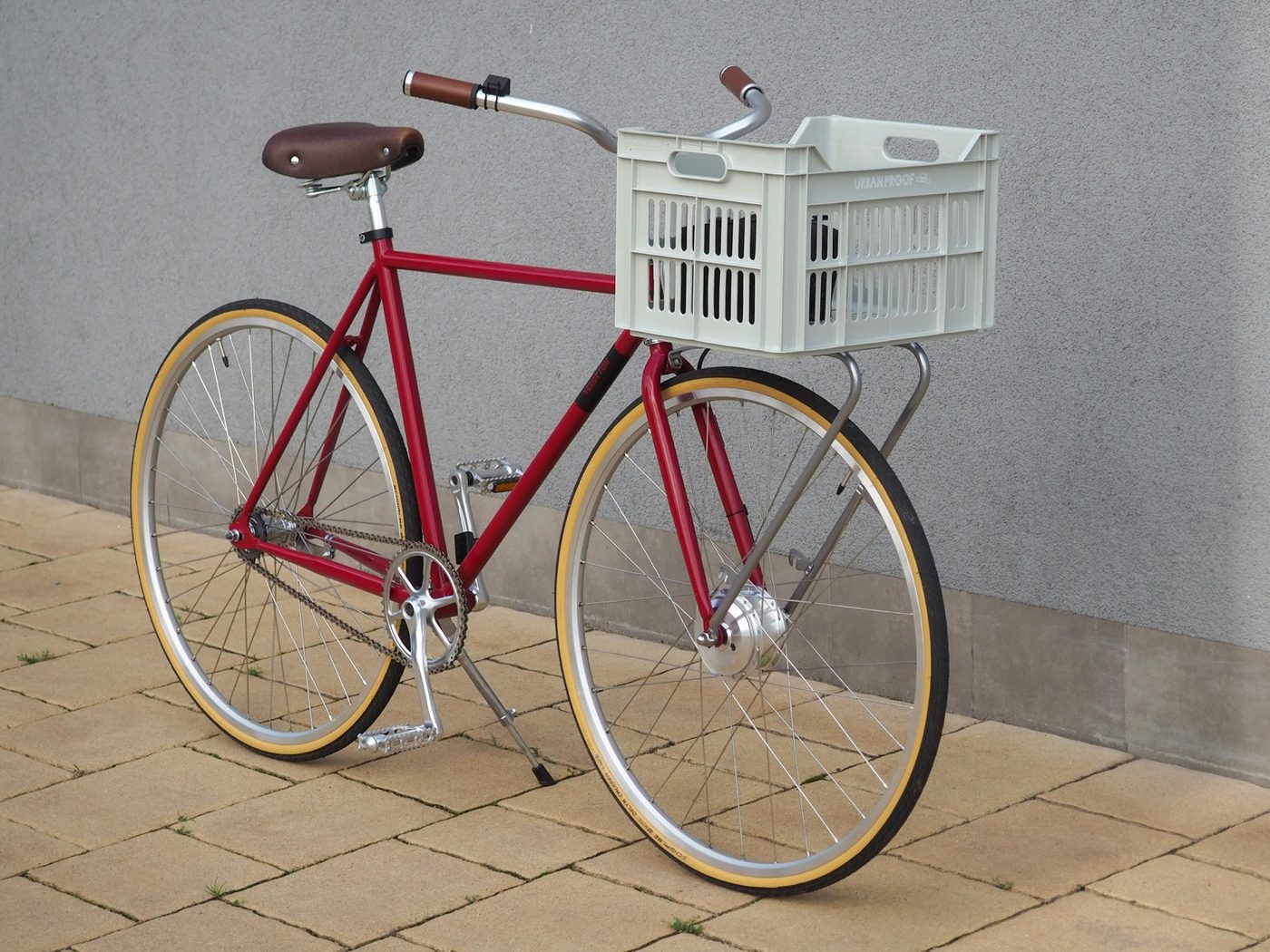
- Front basket for awkward, light items: Useful for bread, eggs, or a quick tote, but not a substitute for real capacity.
- Water-resistant bags: ORTLIEB’s commuter-bag line and pannier systems are a good reminder that weather protection matters more once groceries and work gear are sharing the same trip. Their current commuter bag is rated for splash resistance and tool-free rack swapping, which is exactly the kind of everyday convenience commuters actually notice.
A good grocery setup should let you load the bike quickly, keep the weight stable, and avoid making the steering feel weird. That usually means putting the heaviest items low and toward the center of the bike instead of piling them all up high.
When a commuter e-bike is enough
- Short errands: pick-up trips for a few nights of food or a pharmacy stop on the way home.
- Regular solo grocery runs: a couple of panniers can handle more than many buyers expect.
- Mixed commuting and errands: one bike, one lock routine, one carrying system.
If the grocery mission is basically “ordinary adult errands,” a commuter e-bike is often the right answer. You do not automatically need a cargo bike just because food is involved.
When you are really asking for more than a commuter bike
- Heavy weekly family shop: cases of drinks, bulk items, diapers, pet food, or anything that adds up fast.
- Kids plus groceries: once passengers enter the picture, spare carrying capacity disappears quickly.
- Big awkward loads: paper towels, large boxes, or anything that sticks out and turns loading into a balancing act.
- Apartment stairs after the ride: even if the bike can carry the groceries, you still have to live with the bike afterward.
That is where either a compact cargo bike or an occasional-use trailer starts to make more sense. Burley’s current trailer guidance is useful here because it frames trailers as a way to get occasional utility without buying a full-time cargo bike. That is the right mindset: solve the actual frequency problem, not the hypothetical maximum load.
What to buy first
- A rack you trust: not every rack is happy with real load.
- Panniers that mount securely: easy on, easy off, and no wheel rub.
- A bag plan for small items: eggs, produce, and loose goods need more care than boxed food.
- A lock routine that stays fast: errands fall apart when parking is the annoying part.
If you already own a commuter e-bike, the first upgrade is usually not a different bike. It is a better carrying system.
Bottom line
A commuter e-bike can absolutely handle groceries when the load is moderate and the setup is deliberate. Once the load gets frequent, bulky, or passenger-heavy, the better answer may be a cargo bike or a trailer — not because commuter bikes fail, but because daily life gets easier when the tool actually matches the job.