
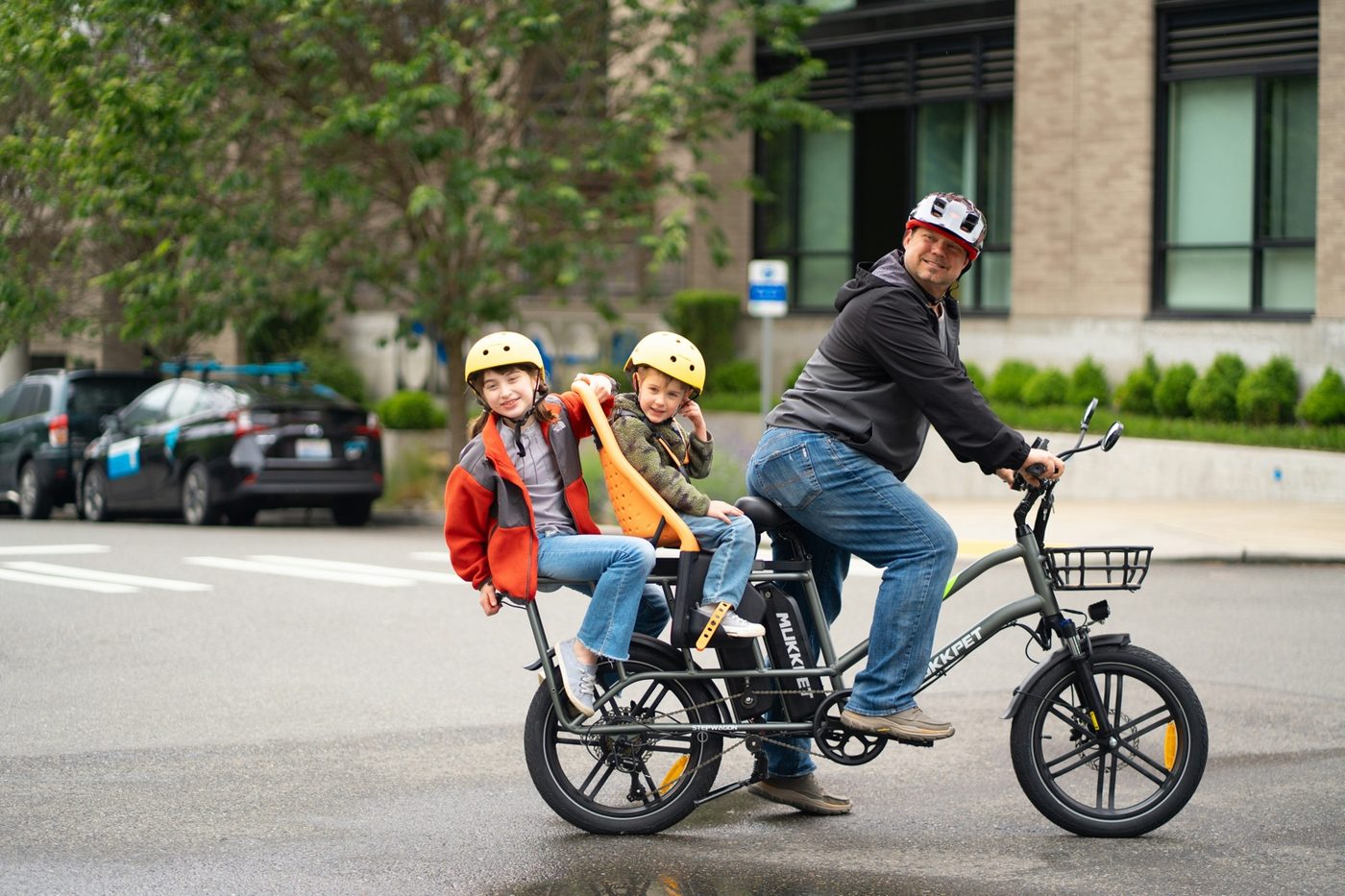
Sometimes yes. A trailer can be the smarter buy when you only need kid or cargo hauling part of the time, already own a bike you like, or do not want to store and maneuver a long, heavy cargo bike every day. But if hauling people or big loads is your routine, a purpose-built cargo e-bike usually works better as a full transportation replacement.
Why trailers still make sense
- lower total cost if you already own a compatible bike
- easier to detach when the hauling job is over
- less permanent storage burden than owning one big longtail or front-loader
- good fit for occasional kid hauling, park trips, and weekend utility use
A trailer is especially compelling when the hauling job is real but not daily. It lets you keep your normal bike life most of the time.
Where cargo e-bikes beat trailers
- daily school runs
- multiple short stops around town
- urban riding where loading and unloading speed matters
- situations where you want kids or bags attached to the main bike, not trailing behind it
- families trying to replace a car for short local trips
That is where cargo e-bikes earn their price. They feel more integrated, more repeatable, and usually easier to live with once the routine becomes constant.
The storage question decides a lot of this
If you have a garage, shed, or easy ground-floor parking, a cargo e-bike becomes much easier to justify. If you live in an apartment, deal with stairs, or have limited hallway tolerance, a trailer-plus-normal-bike setup can be much more realistic. Buyers often compare only ride quality and forget the daily parking problem.
Kid hauling: trailer strengths vs cargo-bike strengths
Trailers keep younger kids lower to the ground and often feel protected and weather-manageable. Cargo e-bikes are better when the rider wants easier conversation, smoother loading for short hops, and the ability to mix school bags, groceries, and kids in one integrated setup.
Once the kids get bigger, the cargo bike often ages better. Trailers can become a less elegant answer when the passengers are older, heavier, or in and out constantly.
Route and neighborhood matter
Trailers can be great on bike paths, calmer streets, and errands where extra length is manageable. In tight city bike parking, narrow barriers, awkward curbs, and frequent locking situations, a trailer can feel like two problems instead of one. A cargo e-bike is larger, but it is still one vehicle to load, steer, park, and secure.
What to buy when the budget is limited
If money is tight and you already own a bike that can safely tow, a trailer can be the better first step. It gets you into kid or cargo hauling without forcing an immediate jump to a much more expensive bike. But if you already know the hauling job is daily and long-term, buying the trailer first can just delay the cargo-bike purchase you were always going to make.
Best way to make the call
Choose the trailer if your normal bike still solves most of your life and kid or cargo duty shows up only part time. Choose the cargo bike if carrying people or loads is becoming part of your default transportation pattern. The dividing line is frequency. Once you are attaching, detaching, parking, and maneuvering that extra setup constantly, the trailer stops feeling like the simpler answer.
Where buyers misread the math
A trailer usually wins the upfront-price argument. A cargo bike often wins the convenience argument after a few months. If the whole point is to make family errands or school runs easy enough that you actually do them by bike, convenience matters more than the cheaper starting point.
Who should resist the cargo-bike upgrade
If you are still experimenting, have very tight storage, or only need occasional passenger or cargo help, a trailer can be the smarter low-commitment step. Buying a full cargo bike too early can saddle you with a bigger, heavier machine than daily life really supports.
What gets old faster
Trailers are often the cheaper answer, but they create their own friction. Storage, backing up, curb transitions, doorways, and parking can all get more annoying than buyers expect. Cargo bikes cost more up front, but many families find them easier for quick repeated trips because the carrying system is always part of the bike. That matters if your real life includes school runs, errands, and short stops where hookup time and parking friction decide whether the trip feels easy or exhausting.
Bottom line
Buy a trailer instead of a cargo e-bike when hauling is occasional, storage is tight, or you want the cheapest practical way to add utility to a bike you already own. Buy the cargo e-bike when hauling is the main job and you want the easiest daily system. The right answer is less about which one is “better” and more about whether the hauling role is occasional or central.