
How We Evaluate E-Bikes
The ownership-first framework behind ElectricBikeCompare recommendations and comparisons.
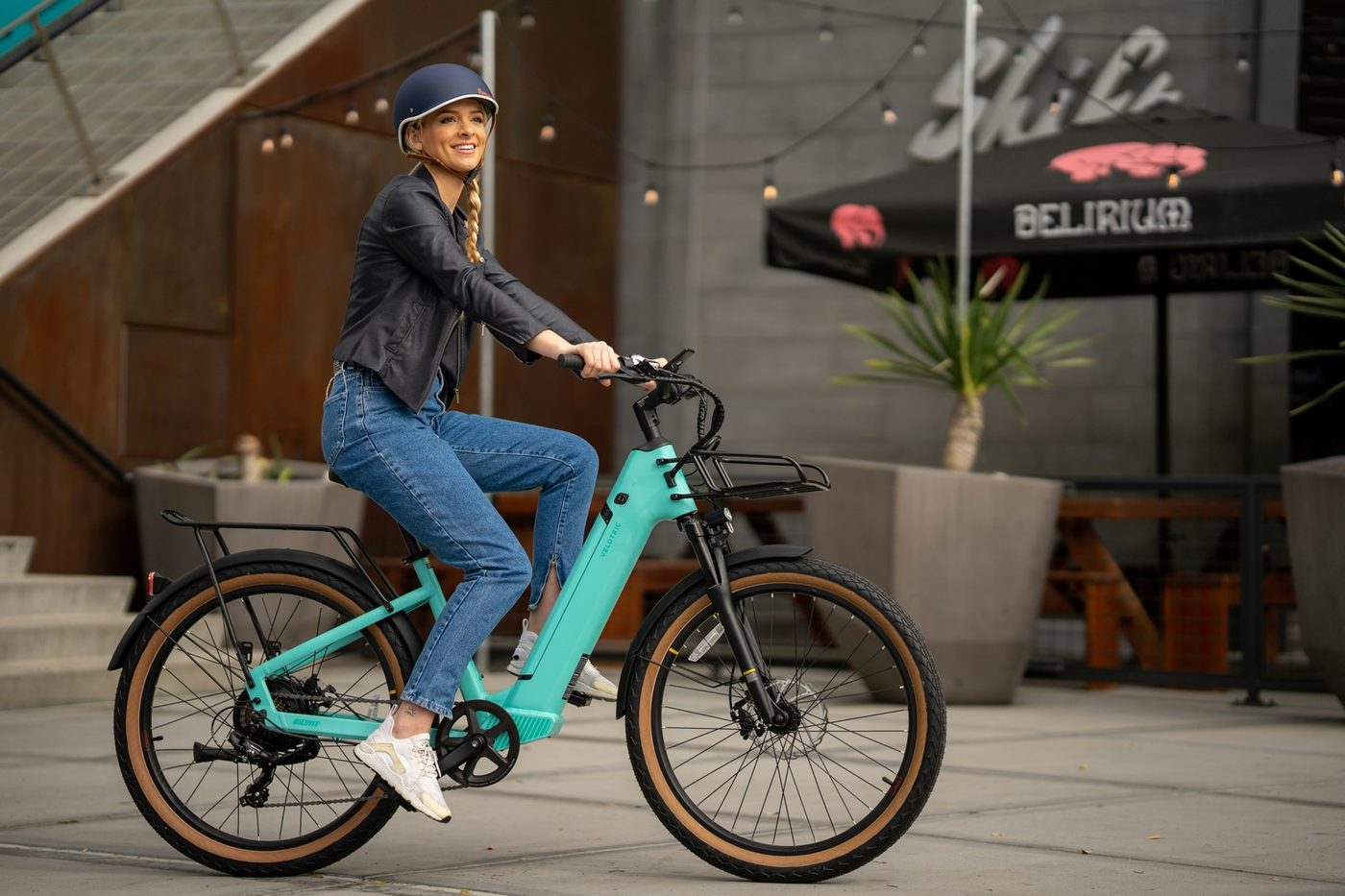
ElectricBikeCompare evaluates e-bikes through a practical ownership lens. The site is not trying to crown the most exciting bike on paper. It is trying to help a normal adult buyer avoid buying the wrong bike for the way they actually live.
What matters most here
- Fit for the routine: commuting, errands, apartment storage, hills, school runs, or mixed everyday use
- Ease of living with it: bike weight, battery removal, charging routine, parking, transport, and storage
- Comfort and confidence: mounting ease, stability, riding position, and how approachable the bike feels for the intended rider
- Service and replacement reality: battery availability, parts support, dealer access, and whether the support story looks solid or vague
- Value after delivery: not just sticker price, but what happens once accessories, maintenance, locks, racks, cargo setup, or replacement parts enter the picture
What does not automatically win
A bigger motor number, a larger battery, or a flashy feature list does not automatically make a better buy. Some bikes look strong in a comparison chart but create daily friction in the real world because they are too heavy, awkward to store, hard to service, or not realistic for the rider's actual routine.
How comparison pages are formed
Comparison pages are built around the tradeoffs that readers usually care about most: price versus support, weight versus stability, compact size versus cargo ability, cadence versus torque feel, removable battery convenience, and how different bikes fit commuting, apartment, family, or beginner use.
That means the right answer is often conditional. One bike may be better for a city apartment commute while another is better for hauling a child seat, handling rougher roads, or living with a larger daily range buffer.
How recommendation pages are formed
Recommendation pages favor bikes and categories that solve the real problem the page is about. A good apartment pick should be reasonable to store and charge. A good family pick should make passenger setup, utility, and everyday handling feel workable. A good beginner pick should feel approachable, not like a spec-sheet flex.
That is why some pages steer readers toward simplicity, service access, or manageable size instead of the most aggressive-looking option in the class.
Source priorities
The site leans on primary product information first: official brand pages, owner's manuals, support articles, warranty terms, accessory compatibility guidance, and primary safety or policy sources where relevant. Sensitive ownership pages may also cite organizations such as UL Solutions, CPSC, NFPA, NHTSA, or an insurer's own policy pages when those are directly relevant to the question.
The goal is not to overload every page with citations. It is to keep the advice grounded in the sources that actually matter for the decision being discussed.
How sensitive pages are handled
Battery safety, child passengers, racks, transport, insurance, and warranty pages are treated more cautiously than ordinary list or comparison pages. On those pages, ElectricBikeCompare uses sitewide editorial review language instead of relying on a personal guru-style expert profile. The advice is framed as general decision support and should always be used alongside the official guidance for the exact products involved.
Questions or corrections? Email info@electricbikecompare.com.
Operator: Nofo Times LLC