
How to Park an E-Bike at Work
Good work parking is not just about theft. It is about whether the bike, battery, lock routine, and charger routine fit your office without turning every commute into a negotiation.
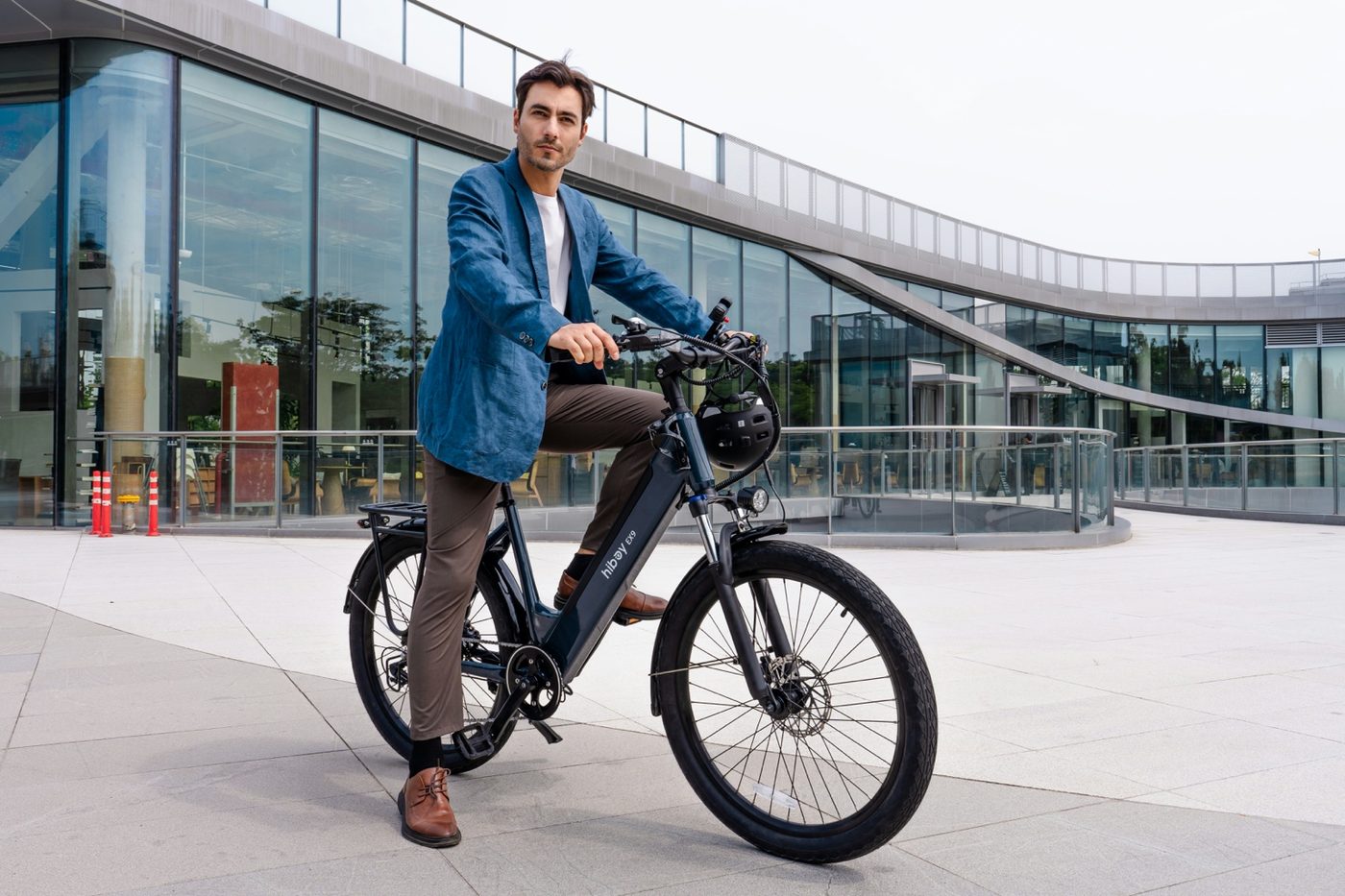
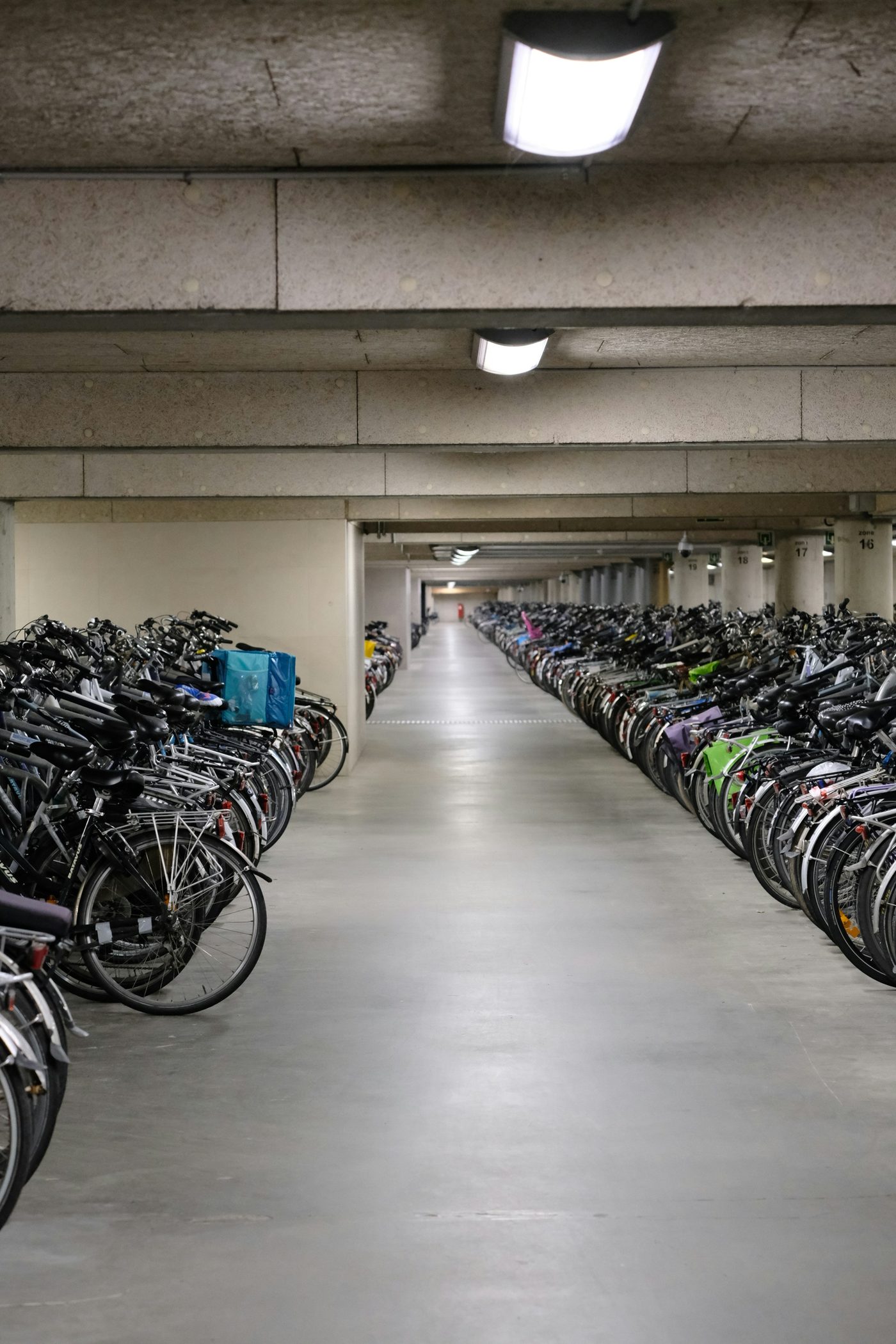
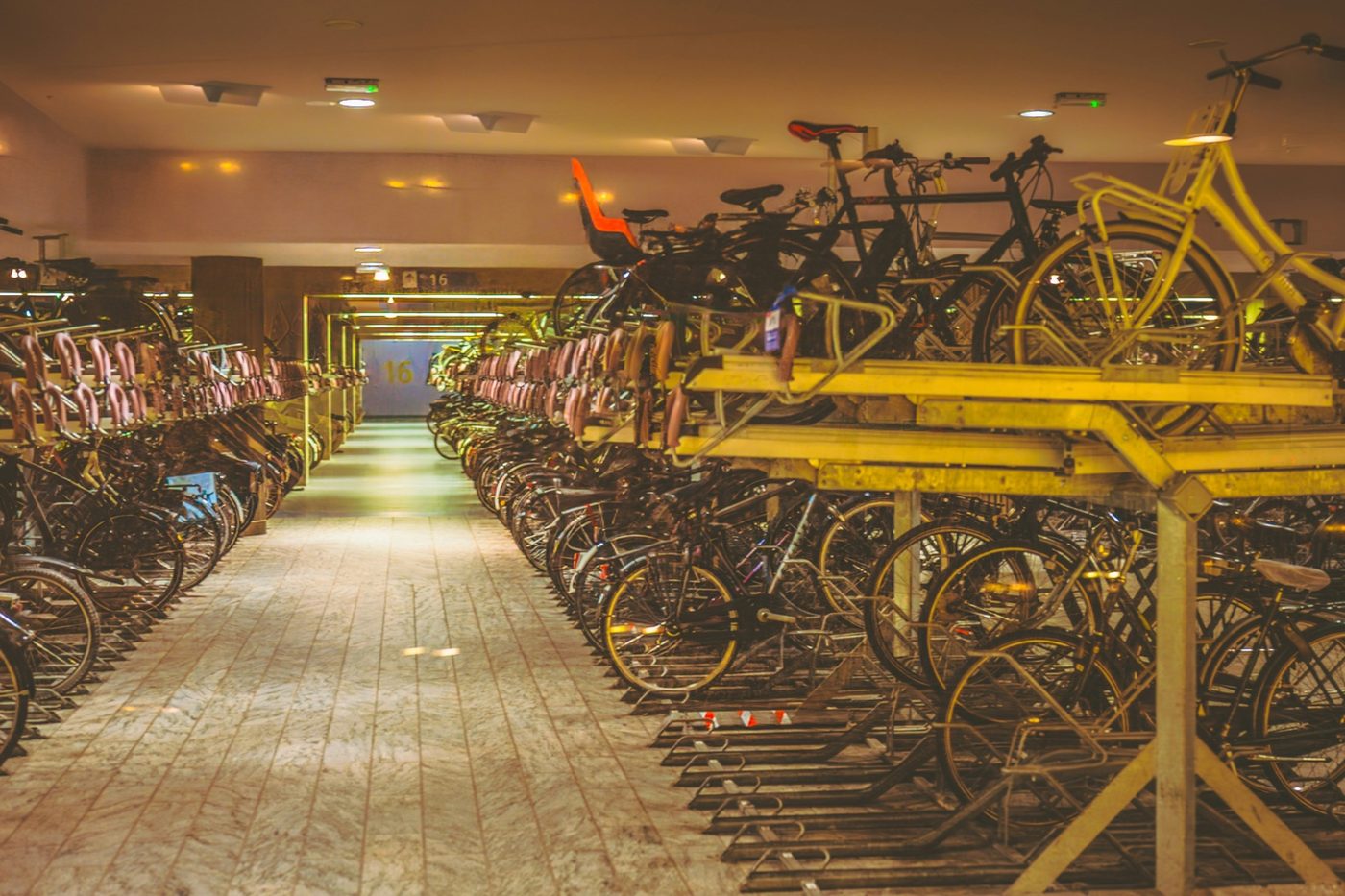
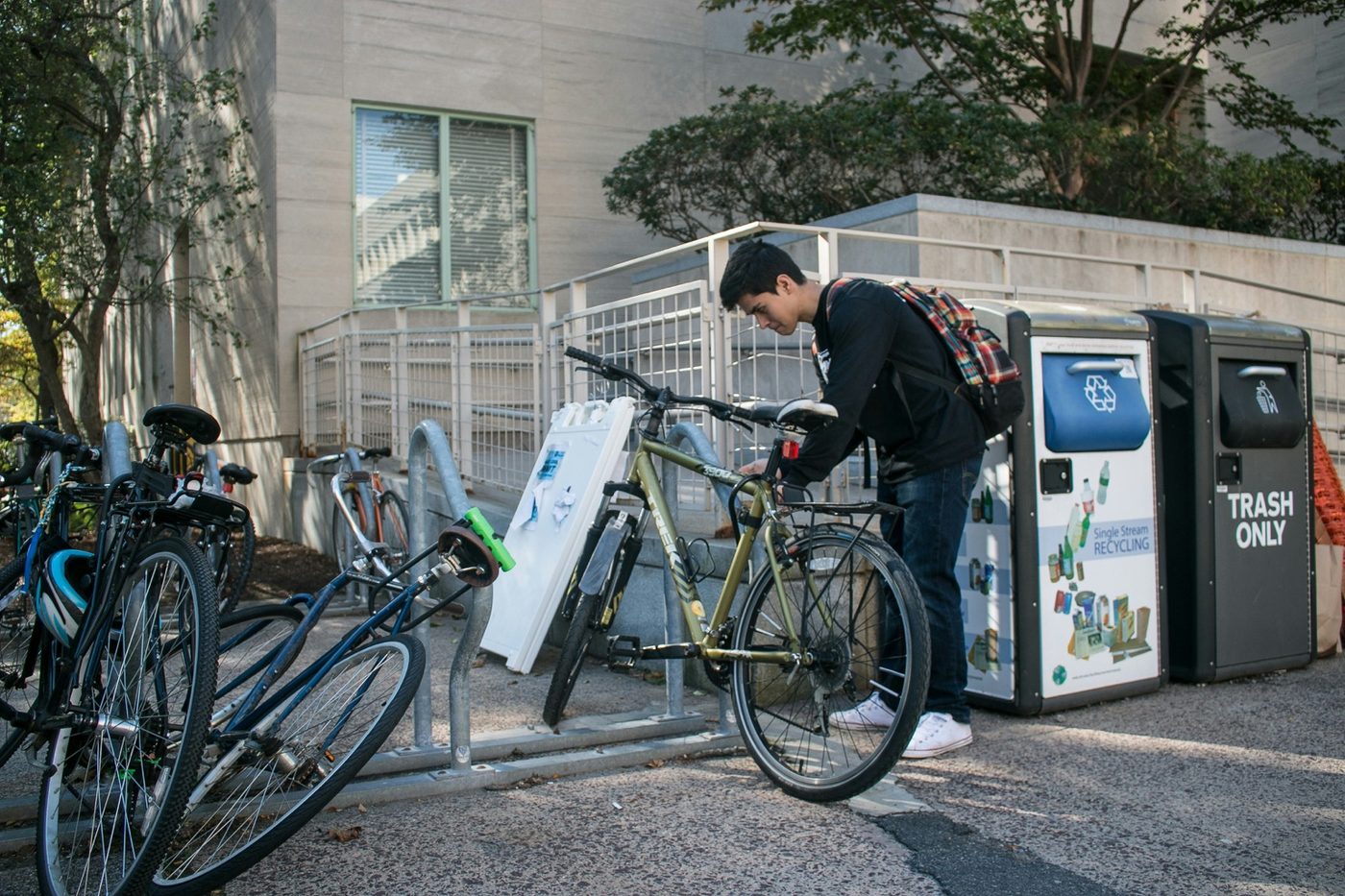
Quick take
- The best work parking spot is secure, repeatable, and boring.
- If the office parking setup is weak, that should influence the bike you buy, not just the lock you carry.
- Indoor access, a removable battery, and a realistic backup plan matter more than one heroic lockup routine you will hate by week two.
What a good work parking setup actually looks like
- a rack, cage, or bike room you can use the same way every day
- enough room to lock the frame and rear wheel without twisting the bike into a bad angle
- some combination of visibility, access control, cameras, front-desk oversight, or employee-only access
- a simple plan for the battery, charger, helmet, and laptop bag
- a nearby second-choice option for days when your usual rack is full
Pick the routine before you pick the bike
Buyers often think parking is a lock question. It is usually a routine question. If you know the bike will sit outside eight hours a day on a public sidewalk, that pushes you toward a less flashy bike, a removable battery, and a lock setup you can live with. If your office has badge-access indoor parking, you can worry less about theft theater and more about weight, fit, and commute comfort.
What to decide before your first commute
- Battery plan: leave it on the bike only if the parking is truly good and the building allows it
- Lock plan: decide whether this is a one-lock situation or a frame-plus-wheel routine
- Bag plan: know what comes off the bike every time so you do not leave valuables in panniers out of laziness
- Charging plan: if you charge at work, know where the charger will actually live
- Overflow plan: have a second parking option for crowded days, bad weather, or blocked racks
When indoor parking really changes the buying decision
Indoor or access-controlled parking matters most if you are commuting on a pricier bike, parking in a theft-prone downtown area, or relying on the same routine five days a week. It also matters if the bike is heavy enough that you do not want to remove accessories, unload bags, and rebuild your setup every evening just because the sidewalk rack feels sketchy.
What makes a work setup annoying fast
- the rack only works if you arrive early
- the only parking is far enough away that you stop using panniers and start making compromises
- the bike is so heavy or awkward that indoor parking creates hallway friction with coworkers or security
- you need to carry the charger daily because there is no stable place to keep one at work
- you constantly debate whether to leave the battery on the bike
Outdoor work parking can still work
Plenty of people park outside at work every day. The question is whether the setup is merely acceptable or actually sustainable. Good outdoor parking usually means a sturdy fixed rack in a visible area, a consistent daytime environment, a battery you can remove cleanly, and a bike that does not scream expensive cargo or performance machine from across the block.
Bottom line
Park the bike at work somewhere secure, repeatable, and compatible with your battery and charger routine. If the work parking setup is weak, that is not just a theft problem. It is a bike-choice problem and sometimes a commute-choice problem.
Think like you will be late one morning
The right parking setup is the one you can use correctly when you are in a hurry, it is raining, and you are carrying a bag. That usually means a predictable lock point, a removable-battery routine that is easy enough to repeat, and a parking choice that does not leave the bike exposed all day just because the “best” rack is half a block away. Security plans fail when they are too annoying to keep up five days a week.
If you cannot get indoor bike parking, the next best answer is usually a visible outdoor rack near people, cameras, and normal traffic, not a hidden corner that feels protected but is actually isolated. Then build the routine around speed: lock through the frame to something fixed, secure the wheel you care most about, and remove the battery or display if that is part of your bike’s vulnerability profile. The best setup is the one you actually repeat every workday.