
Best Apartment Storage Setup for an E-Bike
The best apartment setup is the one that makes the bike easy to park, easy to charge, and not annoying to move around tired at the end of the day. That usually matters more than any clever storage product you can buy later.
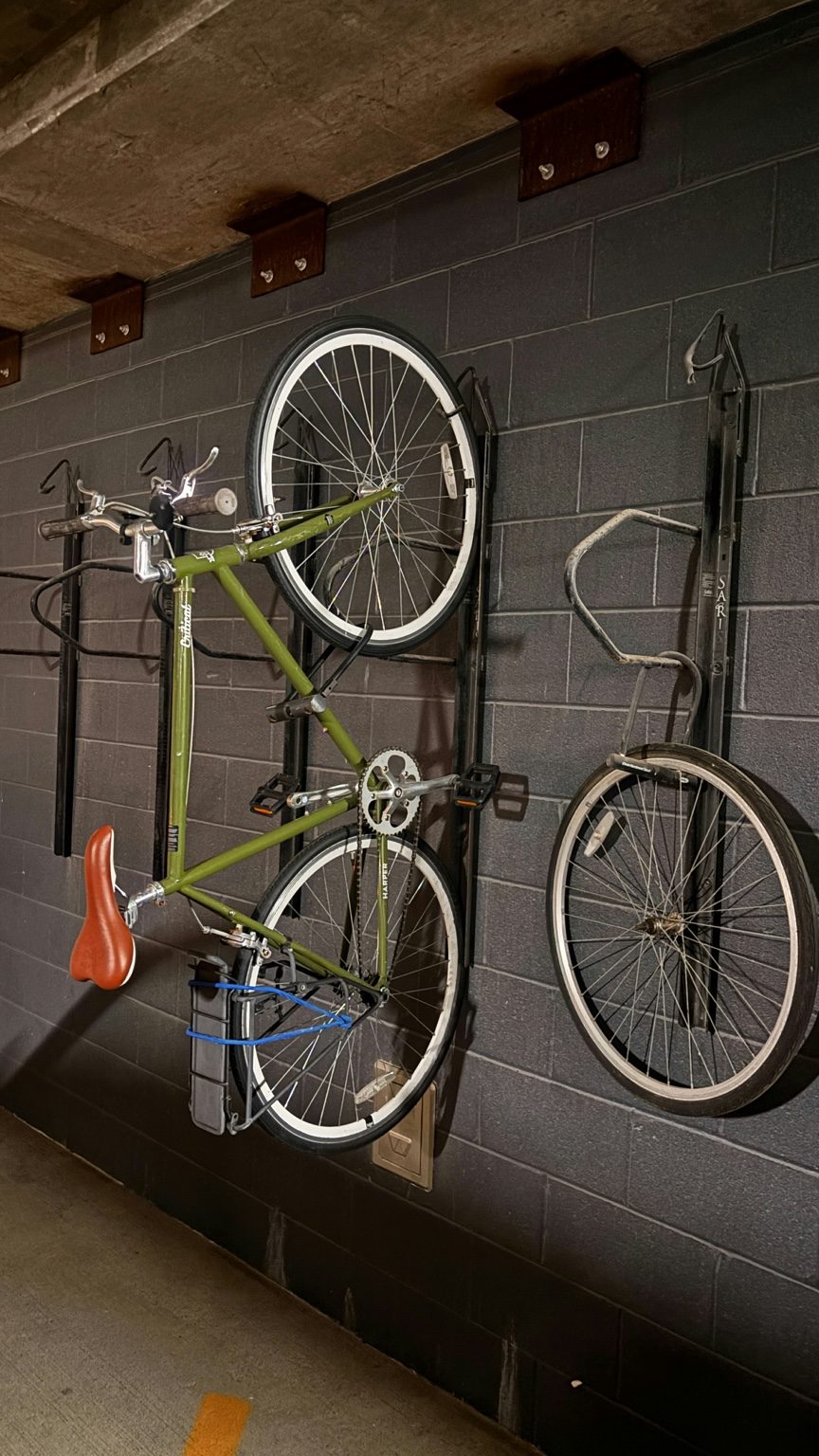
Quick take
- The best setup is usually near the door, with the fewest turns and the least lifting.
- A removable battery often matters more than a fancy rack or wall hook because it simplifies charging and reduces how often the whole bike has to move.
- Do not design the storage setup around your best day. Design it around wet tires, groceries, and the tired trip home.
A floor-based parking spot near the entry, plus a clean charger routine and a bike light enough to move without drama.
They optimize for minimal footprint and ignore how annoying the daily turning, lifting, or charging ritual becomes.
Your living setup means a lighter or more compact bike would change whether the bike actually gets used.
Storage in an apartment is not one problem. It is three problems at once: where the bike lives, how the battery gets charged, and how much hallway or stair friction you are willing to tolerate. A setup that looks tidy but is annoying in real life is not a good setup.
The easiest apartment setup
- Near-entry floor parking: simplest, least lifting, and easiest to repeat every day.
- Removable battery charging: often the biggest quality-of-life win because Bosch and other system makers still advise charging in a dry room at sensible indoor temperature rather than improvising weird hallway extension-cord habits.
- Tire and drip control: mat, tray, or simple routine so wet rides do not create a mess that makes you resent the bike.
If the bike can roll into position without awkward bar turns or lifting, you are already ahead of most apartment buyers.
When folding or vertical storage really helps
- Very tight entry space: where a full-size commuter bike blocks too much floor area.
- Shared living space: where visual footprint matters because the bike is always in sight.
- Hallway friction: when every extra inch of width becomes irritating.
But the wrong lesson is “smallest footprint wins.” Tern’s current Vektron guidance is a good reminder that compact storage and vertical or folded storage are design-specific behaviors, not universal folding-bike magic. A bike that folds well can still be a bad apartment answer if it is annoying to carry or awkward to trolley.
What to avoid
- Storage that requires a daily lift you already dislike.
- Charging plans that only work if the battery stays on the bike in a bad location.
- Wall-hanging plans that sound smart but become a punishment after ordinary rides.
- Oversized cargo solutions when your real use case is still mostly commuting.
The best setup usually reduces two kinds of pain
Good apartment storage solves both space pain and routine pain. It is not enough for the bike to technically fit somewhere. The setup has to work when you come home tired, when the hallway is cluttered, when the battery needs charging, and when you need the bike back out quickly in the morning. If the storage routine feels annoying, you will start leaving the bike in worse places.
Pick a setup based on the heaviest daily friction
- tight hallway or elevator: prioritize narrow bars, stable parking, and easy rolling more than maximum bike size
- small apartment corner: prioritize a removable battery, tidy charger placement, and a repeatable lean-or-stand routine
- cargo or kid bike: prioritize ground-floor access, direct roll-in storage, and whether the bike can stand vertically or compactly without drama
What a good apartment station includes
- a parking spot that does not block doors, vents, or daily foot traffic
- a wall-side location for the charger so the cable is not a tripping hazard
- a small tray, mat, or routine for wet tires and road grit
- a nearby place for helmet, lock, battery key, and daily bag so the bike does not create clutter everywhere else
Design the setup around the ugliest part of the route
The smartest apartment storage setup is built around the worst part of the trip into the apartment: the tightest turn, the heaviest lift, the smallest elevator, or the moment when the bike is blocking a hallway. That usually means deciding where shoes, bags, the charger, and the removable battery go before deciding whether a wall hook or floor stand looks clean in photos. A setup is good when it reduces friction on tired weekdays, not when it only works after a perfect arrival.
Bottom line
The best apartment storage setup is boring in the best possible way. It should let you park the bike quickly, charge the battery sensibly, and get on with your day. If the storage routine itself feels like a project, the setup is not as good as it looks.
How to use this page
This page is reviewed under ElectricBikeCompare editorial standards and published by Nofo Times LLC. The goal is to help you choose around fit, storage, charging, support, safety, and day-to-day ownership, not just the best-looking spec sheet. Where a page leans on manufacturer claims, we cross-check them against the practical tradeoffs buyers usually run into after purchase.
For the full site method, read How We Evaluate E-Bikes or contact info@electricbikecompare.com.